Nostalgic film product effect styling turns a plain packshot into something that feels found, not staged. Think direct flash, visible grain, a slightly imperfect crop, and props that suggest a real afternoon. For creator ads, that small dose of mess can make a product feel more immediate than a spotless studio set.
Why nostalgic film product effects keep creator ads watchable
Film grain does more than add noise. It softens the hard edges of a digital ad and gives the frame a little history. As Adobe explains in its guide to film grain, grain began as a physical characteristic of film stock. In a product ad, an imitation of that texture works best as a finishing layer. The item still needs to read at a glance.
Start with one clear product hero. Then choose one memory cue: a red picnic cloth, a paperback, a scratched dashboard, or a bedroom rug. Don’t stack five retro props into one scene. The goal is a moment someone might have photographed, not a costume set.
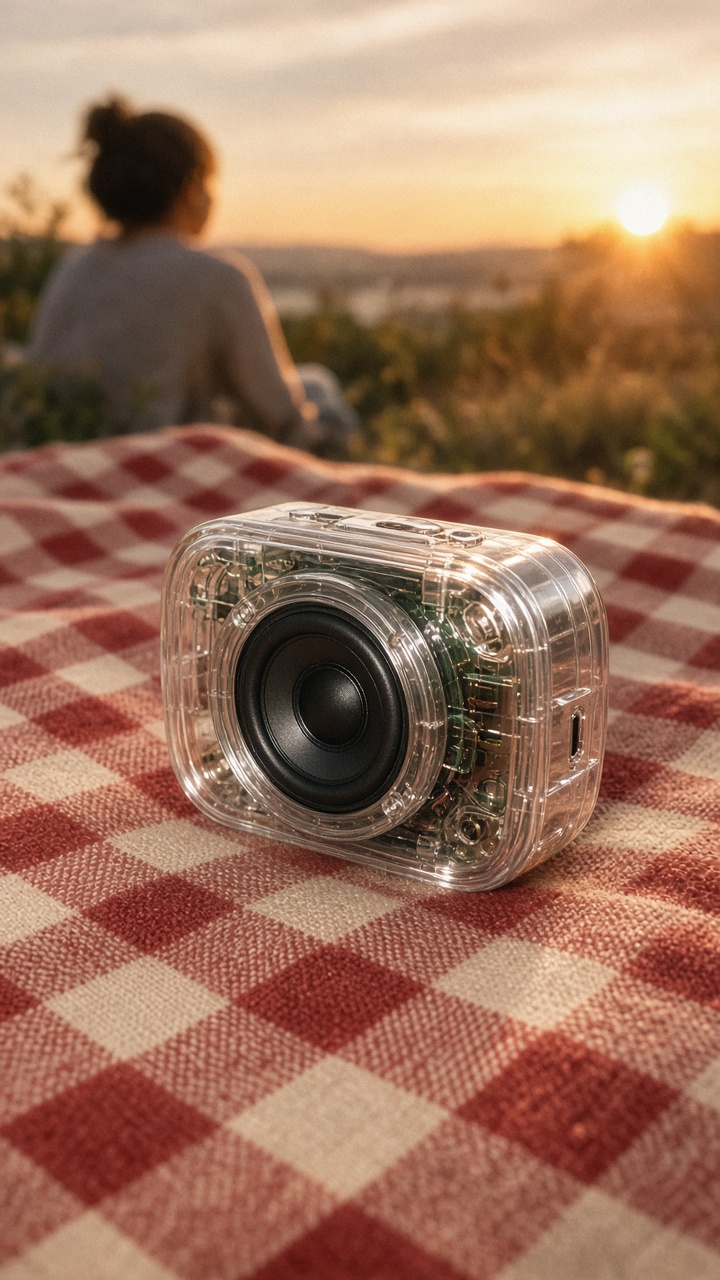
1. Nostalgic film product effect: picnic blanket reveal
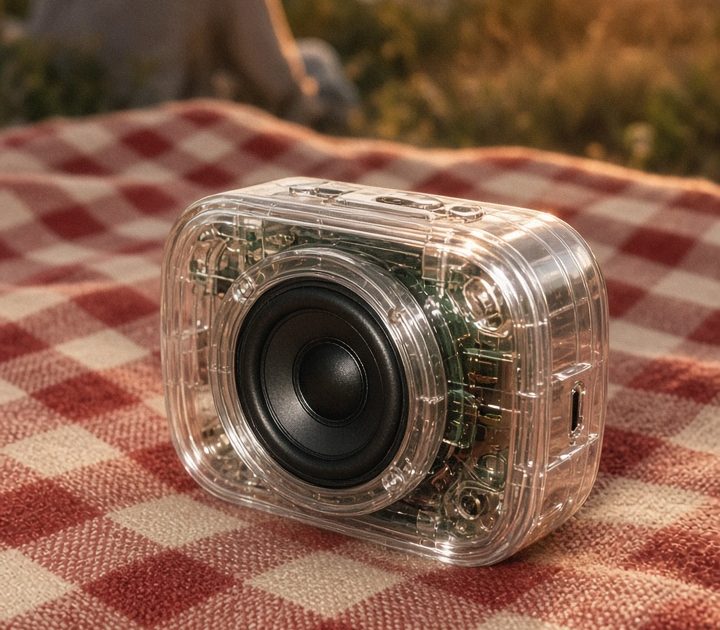
This look suits speakers, drinks, skincare, sunglasses, snacks, and anything meant to feel social. Put the product on a checked blanket or faded towel. Add one imperfect object at the edge of frame, such as a magazine or a hand reaching for fruit. Leave open space around the item so the logo and silhouette stay clear.
How to build it
- Use a vertical 9:16 frame and place the product just below center.
- Choose a bold textile with a simple pattern. Tiny patterns turn muddy after grain is added.
- Light from one side, then add a crisp flash-like highlight to the front label.
- For motion, begin on the cloth texture and push slowly toward the product over two seconds.
Example prompt: “Compact clear wireless speaker on a faded red gingham picnic blanket, sliced peaches and a folded magazine at the edge of frame, late summer sunlight, direct disposable camera flash, soft 35mm grain, candid creator ad, vertical.”
Keep the flash brighter than the background, but don’t blow out white packaging. If the product is pale, switch to a darker blanket or place a colored shadow behind it. This works well for a launch teaser, a weekend sale Story, or a product carousel cover.
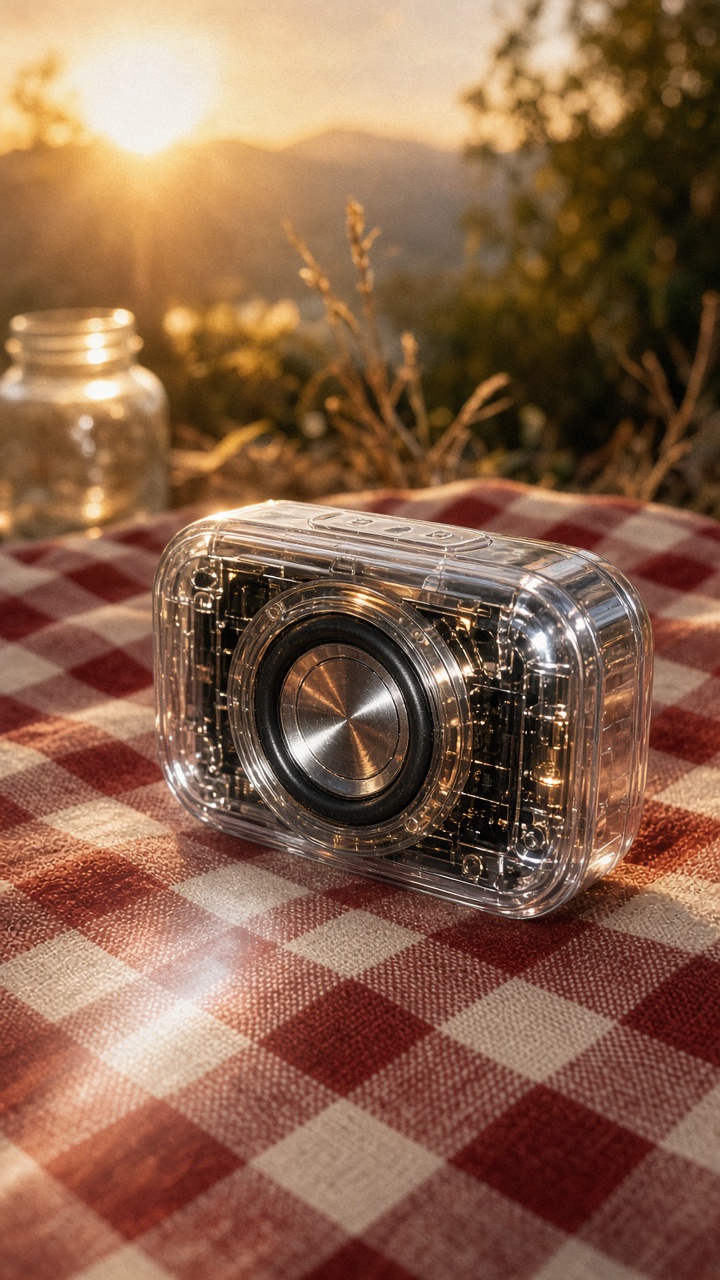
2. Golden-hour flash with a clean hero product
Golden-hour flash is the easiest way to make a product feel expensive without becoming glossy. The background stays warm and low contrast. A small flash hit gives the product its sharp edge. That tension between soft light and hard flash makes the frame feel like a creator caught it on the way out the door.
How to build it
- Use a warm wall, curtain, or sunlit table as the background.
- Angle the product about 20 degrees instead of facing it square-on.
- Add a small bright reflection on glass, metal, or packaging corners.
- Use fine grain first. Increase it only after checking that tiny text still reads.
Example prompt: “Minimal skincare bottle on a sun-warmed wooden table, long window shadow, direct point-and-shoot flash on the label, soft amber background, subtle 35mm film grain, slightly off-center composition, vertical creator ad.”
For video, hold the first frame for half a second, then use a gentle push-in. A fast zoom turns this quiet look into a gag. Save golden-hour flash for premium accessories, fragrance, beauty, and home goods where material and mood do part of the selling.
3. Bedroom floor flat lay that feels lived in
A floor flat lay gives smaller products a low-pressure, personal setting. It fits stationery, makeup, headphones, apparel accessories, and collectible packaging. The trick is to show evidence of a person without filling the image with clutter. One sleeve, one shoe tip, or a half-open notebook is enough.
How to build it
- Pick a matte surface: worn wood, a neutral rug, or faded tile.
- Arrange the product with two supporting objects at different distances.
- Crop one object at the frame edge to avoid a catalogue layout.
- Add mild vignetting and a warm cast, then stop before the product color shifts.
Example prompt: “Wireless earbuds case on a sun-faded bedroom rug, paperback book and denim sleeve entering frame, direct camera flash, imperfect overhead crop, warm 1990s point-and-shoot color, light film grain, vertical.”
This look makes a useful retargeting ad because it feels less like an ad. Use a short caption that names one benefit, not every feature. The image already supplies the mood; the copy should supply the reason to tap.
4. Back-seat road trip frame for movement and energy
Road trip styling gives a product a sense of destination. Use it for portable speakers, drinkware, bags, sunglasses, travel skincare, or seasonal drops. Keep safety in mind during production: shoot while parked, then add movement through light streaks, shifting shadows, or a quick handheld camera move.
How to build it
- Place the item on a seat or center console with a seat belt, map, or jacket nearby.
- Let sunlight create one strong patch of light across the scene.
- Use a slightly tilted horizon for a candid snapshot feel.
- For a video cut, start wide, then cut to a close-up of one tactile detail.
Example prompt: “Reusable drink bottle on a vintage car back seat, denim jacket and folded road map nearby, sun flare through side window, disposable camera flash, warm faded film colors, visible but fine grain, vertical product ad.”
Test this treatment with a three-frame sequence: wide scene, logo detail, hand lifting the product. It gives a paid social edit enough variety for a five-second loop without losing the product in the scenery.
Production checks before posting
View the final frame at phone size. Can someone name the product type in one second? Is the brand mark readable? Does the grain stay off the smallest text? If any answer is no, reduce props or texture before changing the color grade. Nostalgia should support the sale, not hide it.
Make two versions from the same source photo: one with direct flash and one with soft window light. Run both against the same audience and compare hold rate, clicks, and saves. The stronger look often depends on the product category, not personal taste. More product-ad styling ideas are available on the VideoMagic blog.
Make this for your own products in VideoMagic
Turn a plain product photo into scroll-stopping video – free to start.