
The glass reflection product look is everywhere because it makes plain products feel premium fast. A clean mirror line, a glossy surface, and one strong highlight can do more than a busy set.
For a quick reference on the image stack behind these kinds of layouts, the official model page for xAI Grok Imagine Image V2 shows the kind of layout and edit control that helps this look land cleanly. More product photo ideas live in the Product Photography archive.
Why the glass reflection product look works
This style grabs attention because it adds depth without adding clutter. The reflection gives the eye a second shape to read; this product-reflection photography guide offers useful context. The glass surface also makes edges feel sharper.
The glass reflection product look fits beauty, footwear, food, drinks, and small gadgets. It turns a standard packshot into something that feels like a campaign frame. That matters when shoppers skim fast and decide in seconds.
It also works because the scene looks expensive without looking fake. A white bottle, a dark shoe, or a simple tin can all gain more presence when the reflection is handled well. The product stays the hero.
That is the real trick. The glass reflection product look should feel controlled, not flashy. One clean angle, one light source, one strong surface. That is enough.
4 glass reflection product look examples
The four sets below were built to show the same idea in different categories. Each one keeps the surface glossy and the composition simple.
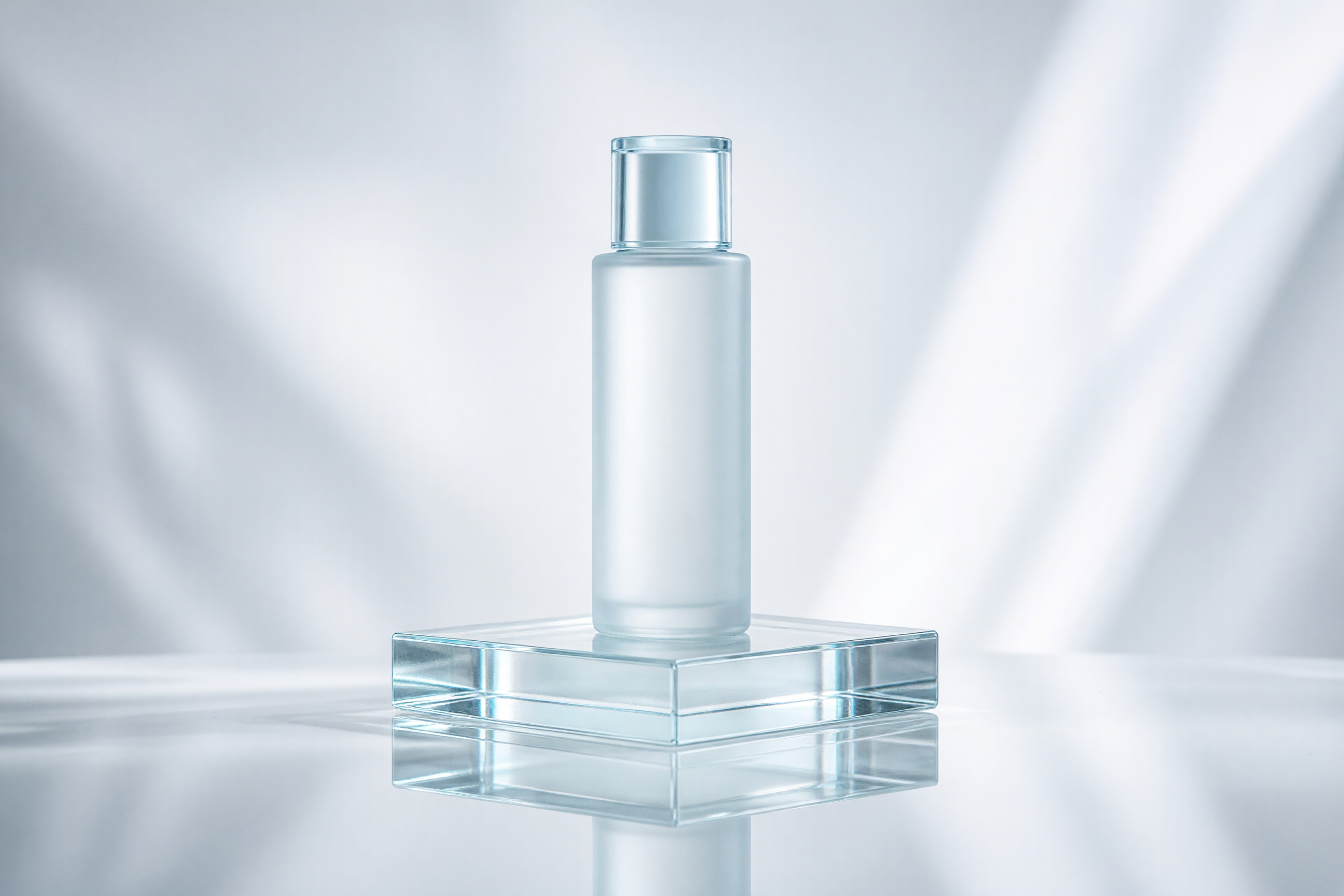
Set 1 leans into beauty. The bottle sits high on the glass, so the reflection feels neat and deliberate. It reads premium without needing props.
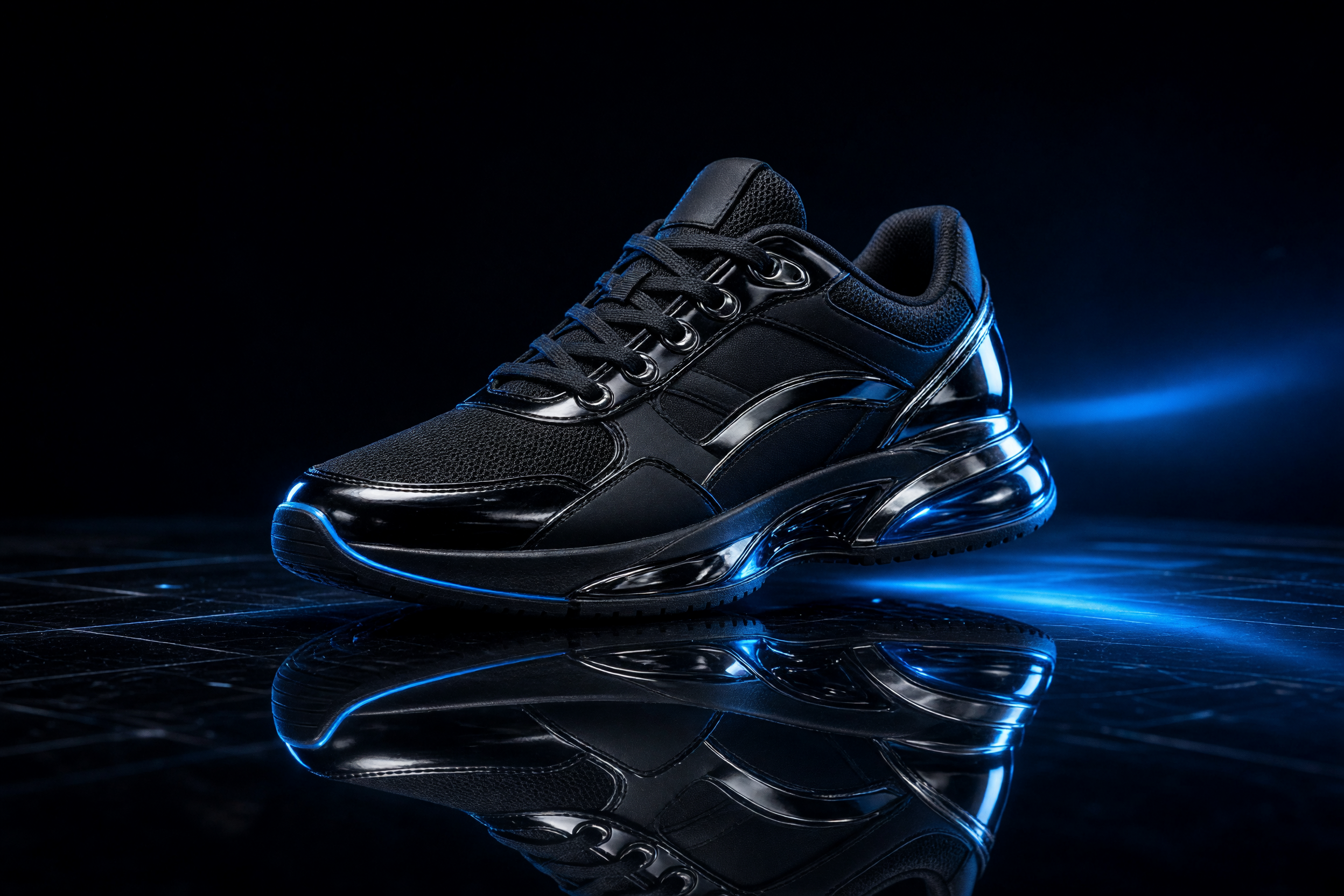
Set 2 pushes contrast. The shoe is heavier and the surface is darker, which makes the reflection feel stronger. It is a good fit for streetwear, athleisure, and launch teasers.
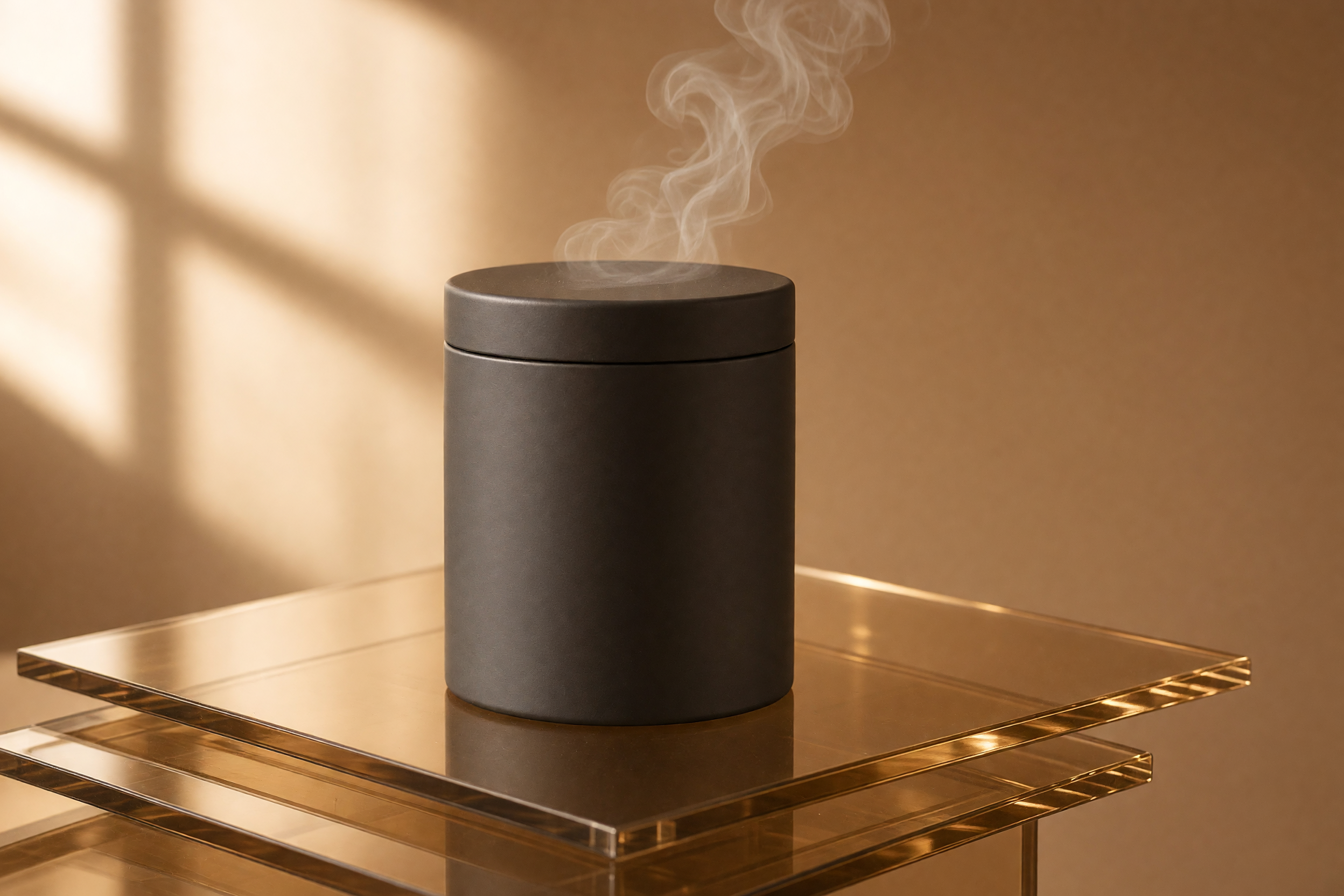
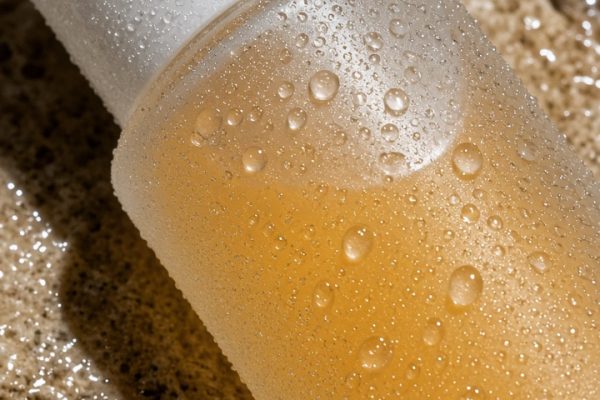
Set 3 goes warmer. The amber glass gives the product a softer mood and a little glow. It suits pantry products, supplements, and premium consumables.
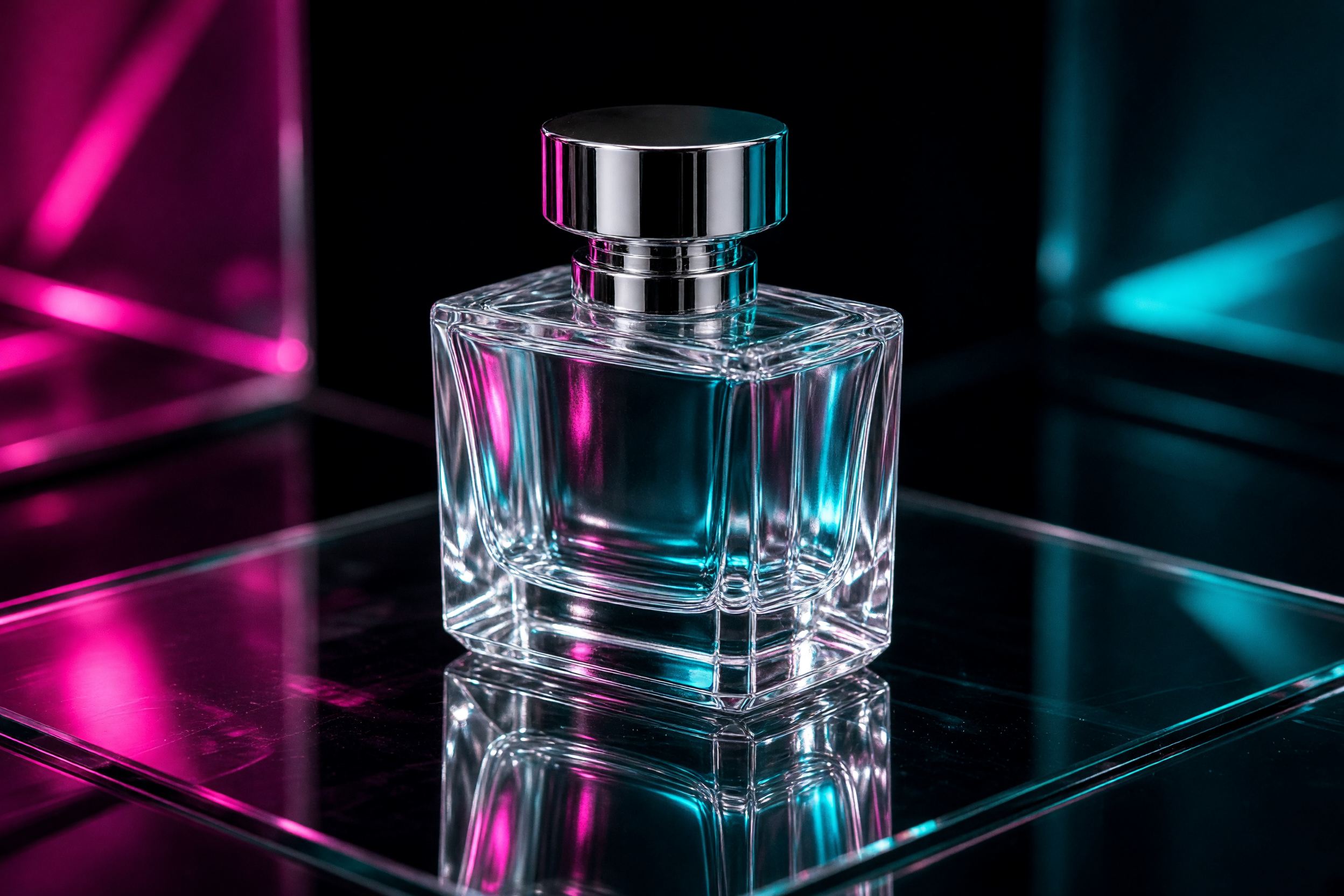
Set 4 is the hardest one. Clear glass, chrome, and layered reflections can break fast if the scene gets messy. That is why it is useful. If the image stays clean here, the same glass reflection product look can handle simpler products easily.
These examples show the range. The same visual idea can feel calm, loud, warm, or luxury. The reflection is the constant.
How to prompt the glass reflection product look
Start with the product, then add the surface, then add the light. Keep the language short. The best prompts describe what must stay visible, not just what should look pretty.
Use this order:
- Product type and material
- Surface type, like clear glass or black glass
- Light direction and color
- Background mood
- One detail to keep the shot real
A simple prompt can work well: premium skincare bottle on a clear glass block, strong mirror reflection, cool white studio, soft daylight, no text, no logos. That is enough for a clean glass reflection product look.
For tougher shots, add constraints. Say transparent bottle, chrome cap, layered reflections, colored gel lights, crisp highlights. That gives the model more to solve and usually makes the final frame more interesting.
Do not overload the scene. Too many props kill the reflection. Too much texture kills the product. Keep the glass reflection product look focused on one hero item and one surface that does the work.
When the frame feels right, use it as the template for the next launch. Swap the product, keep the lighting, and keep the surface. That is how one strong style turns into a repeatable ad system.
Make this for your own products in VideoMagic
Turn a plain product photo into scroll-stopping video — free to start.





1 Comment