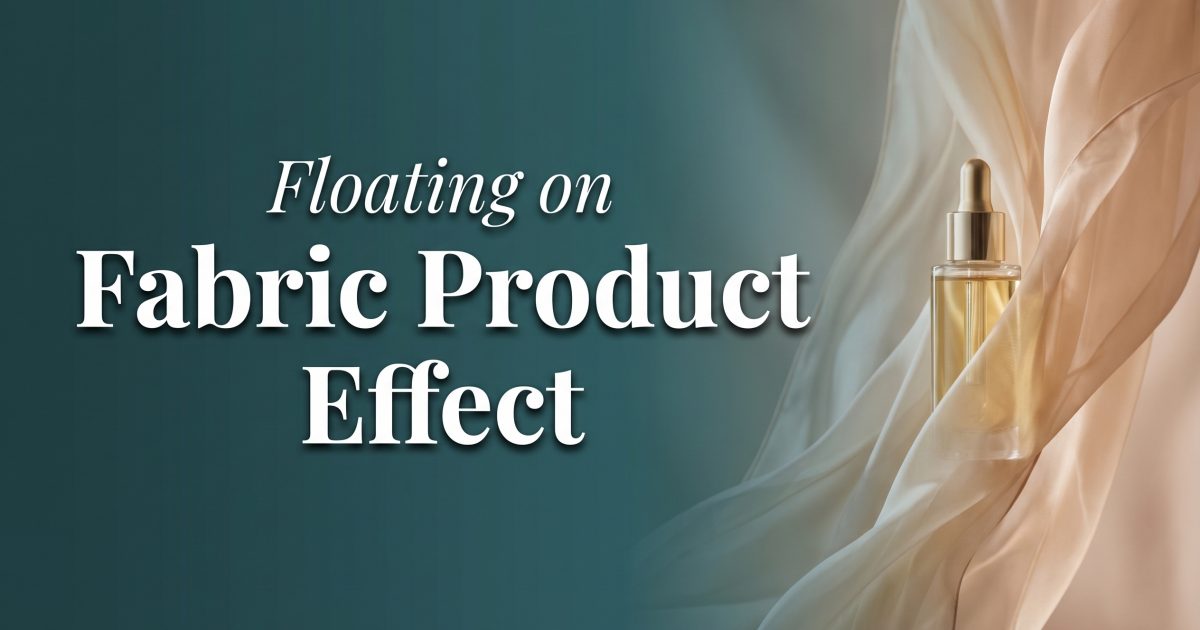
Floating fabric product effect turns a plain packshot into a moment of motion. A ribbon of organza, silk, mesh, or satin curves around the product, then leaves the label and silhouette easy to read. The result feels like the opening frame of a product reel, even when the asset starts as a still. It works because the fabric gives the eye a path to follow while the product stays the destination.
Start with a clean floating fabric product effect
Begin with a front, three-quarter, or side view that clearly shows the product. Avoid a busy background. A pale sweep, one color backdrop, or soft gradient gives the fabric room to move. Traditional product photographers use a curved sweep to remove the table-to-wall horizon line; the same idea helps here because it keeps attention on the object. A simple product-photo sweep is a useful reference for getting that clean base.
Choose one fabric before choosing a color. Organza reads light and airy. Satin catches harder highlights and feels more formal. Mesh adds texture but can make small labels look noisy. For a skincare bottle, start with sheer fabric. For footwear or a drink can, use a broader ribbon with a sharper curve. Keep the fabric behind the hero face whenever possible.
The safest setup uses a single ribbon. Give it one job: frame the neck of a bottle, lead toward a shoe toe, or create a loose halo around a box. Multiple ribbons can look expensive, but they also make the frame hard to scan on a phone.
Four looks to try
1. The soft skincare halo
Use pale peach, cream, or a shade pulled from the packaging. Place the serum bottle upright and let translucent fabric rise behind the cap, then fall outside the bottle edges. Leave a clear gap around the front label. This look suits serums, moisturizers, candles, and delicate fragrance launches because it adds softness without making the product disappear.
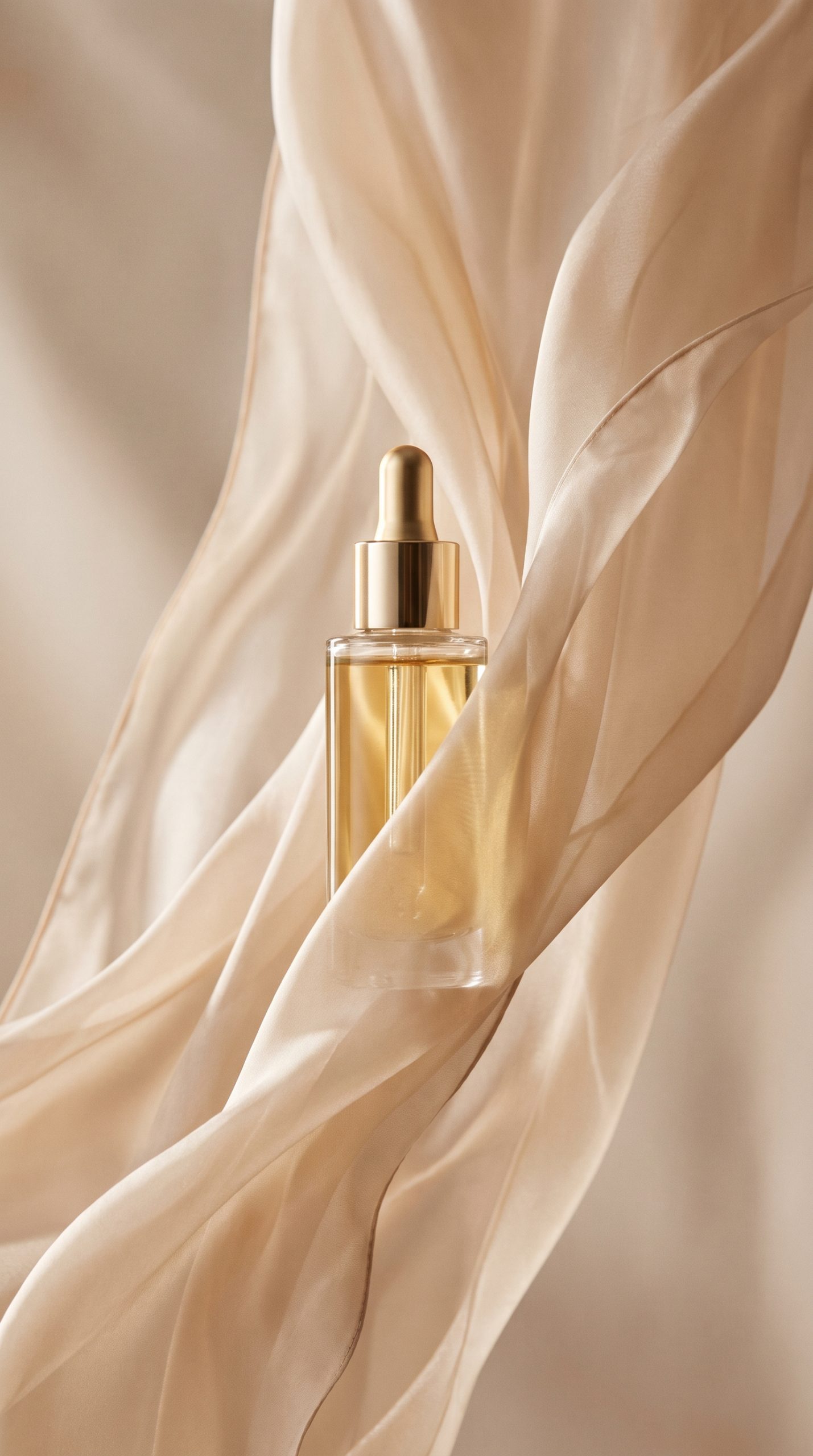
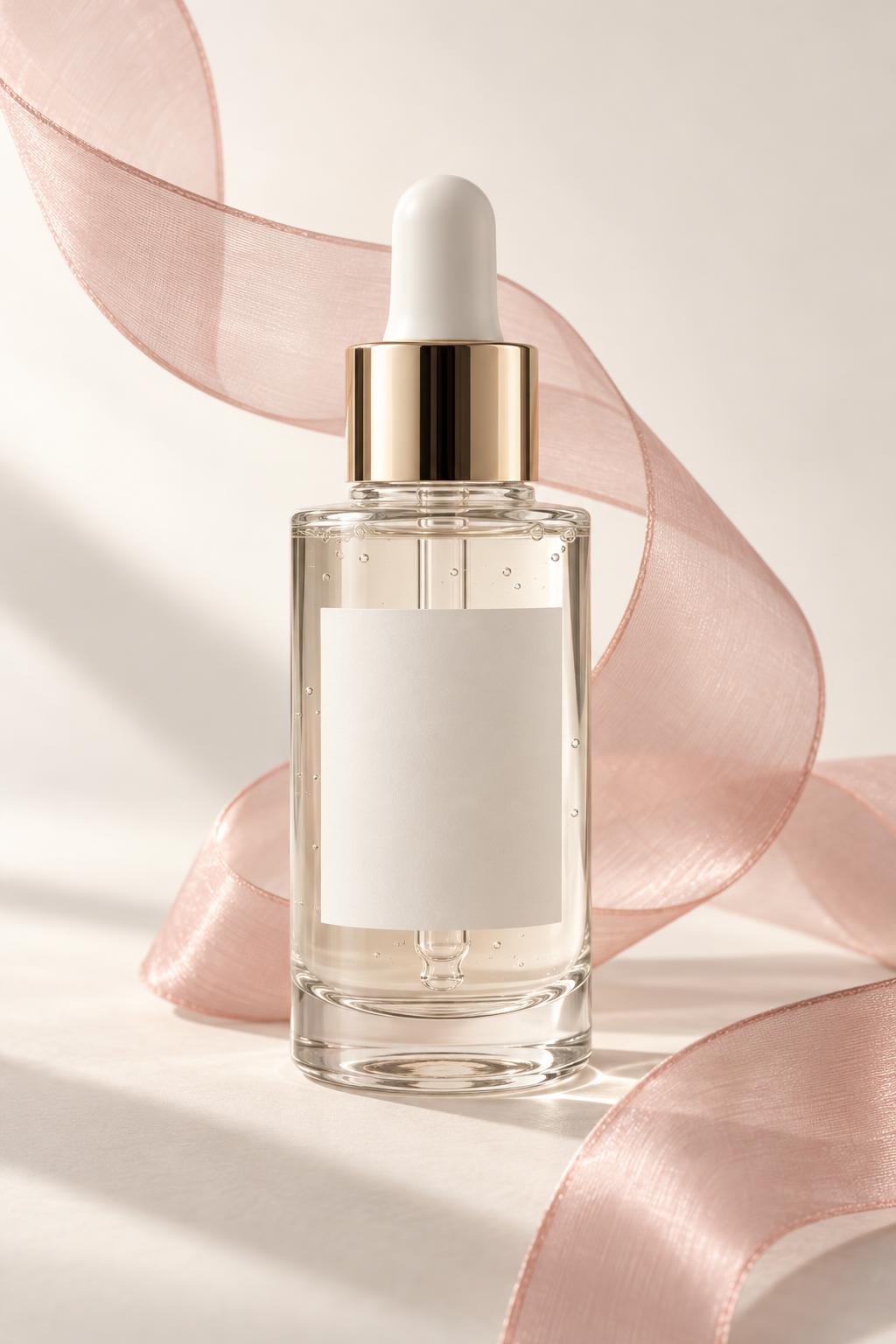
Prompt example: “Clear serum bottle centered on an ivory sweep, blush translucent silk curling behind the bottle and around the base, label unobstructed, crisp glass edges, soft side light, premium ecommerce packshot.” If the label becomes warped, shorten the instruction. Ask for the bottle shape, front label, and cap to remain clear before adding any mood words.
2. The sculptural homeware reveal
For a vase, mug, lamp, or small decor piece, use a thicker ribbon that makes one intentional loop. Put the loop high on one side and let the tail land low on the other. That diagonal shape stops a static object from feeling flat. Use matte fabric for ceramic and linen products. Use satin only when the product already has polished surfaces.

Prompt example: “Stoneware vase on a warm sand backdrop, one terracotta fabric ribbon making a large open loop behind the vase, front silhouette clear, soft morning shadows, editorial product photograph.” Keep the loop open. Fabric pressed against the product can make the item look misshapen.
3. The fast footwear sweep
Footwear needs more energy. Use a long ribbon that enters from behind the heel, sweeps under the midsole, and exits past the toe. The shoe should still look grounded, so keep a short, soft shadow directly beneath it. This is a strong first frame for a new colorway, a limited drop, or a paid social carousel.
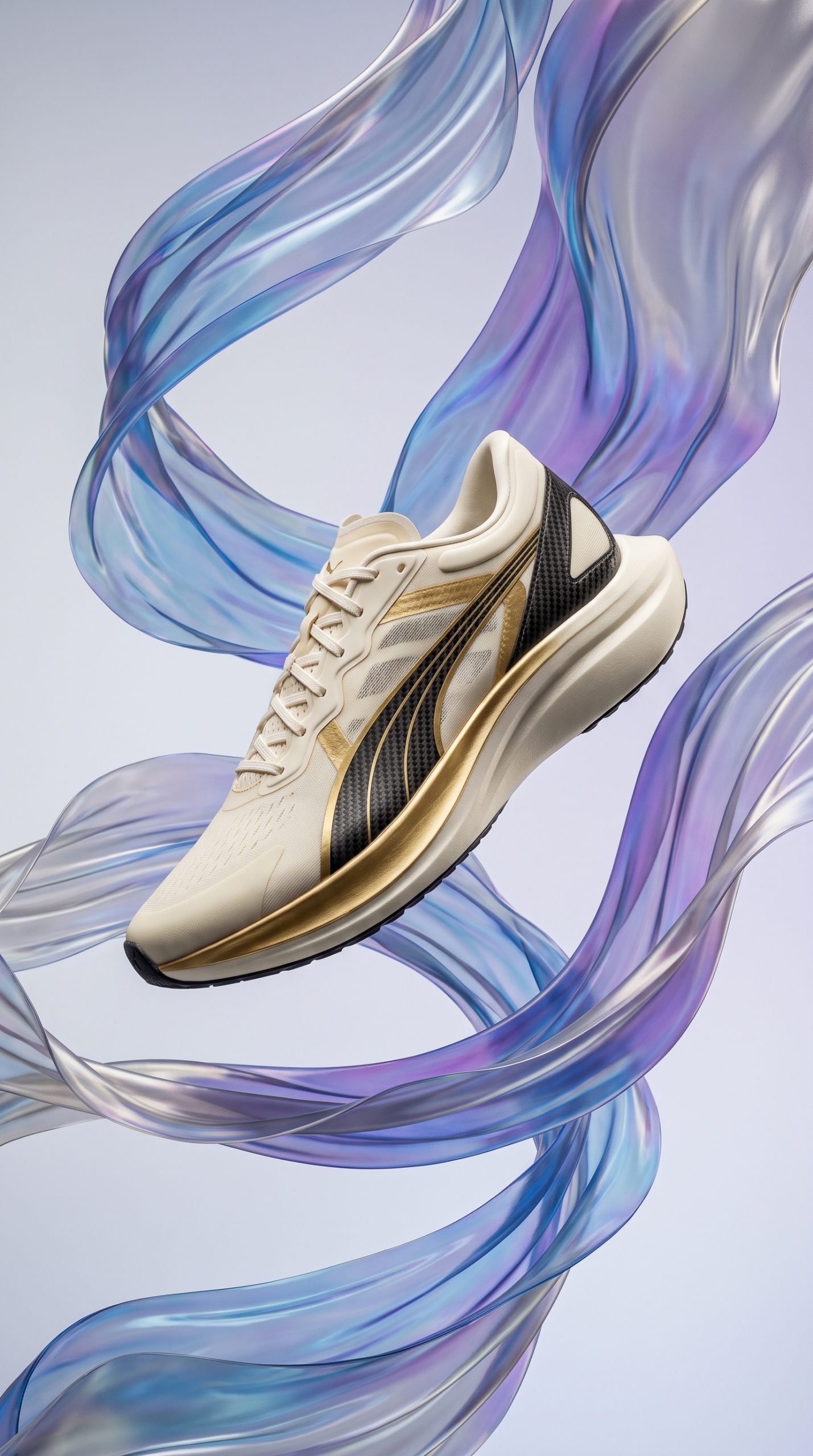
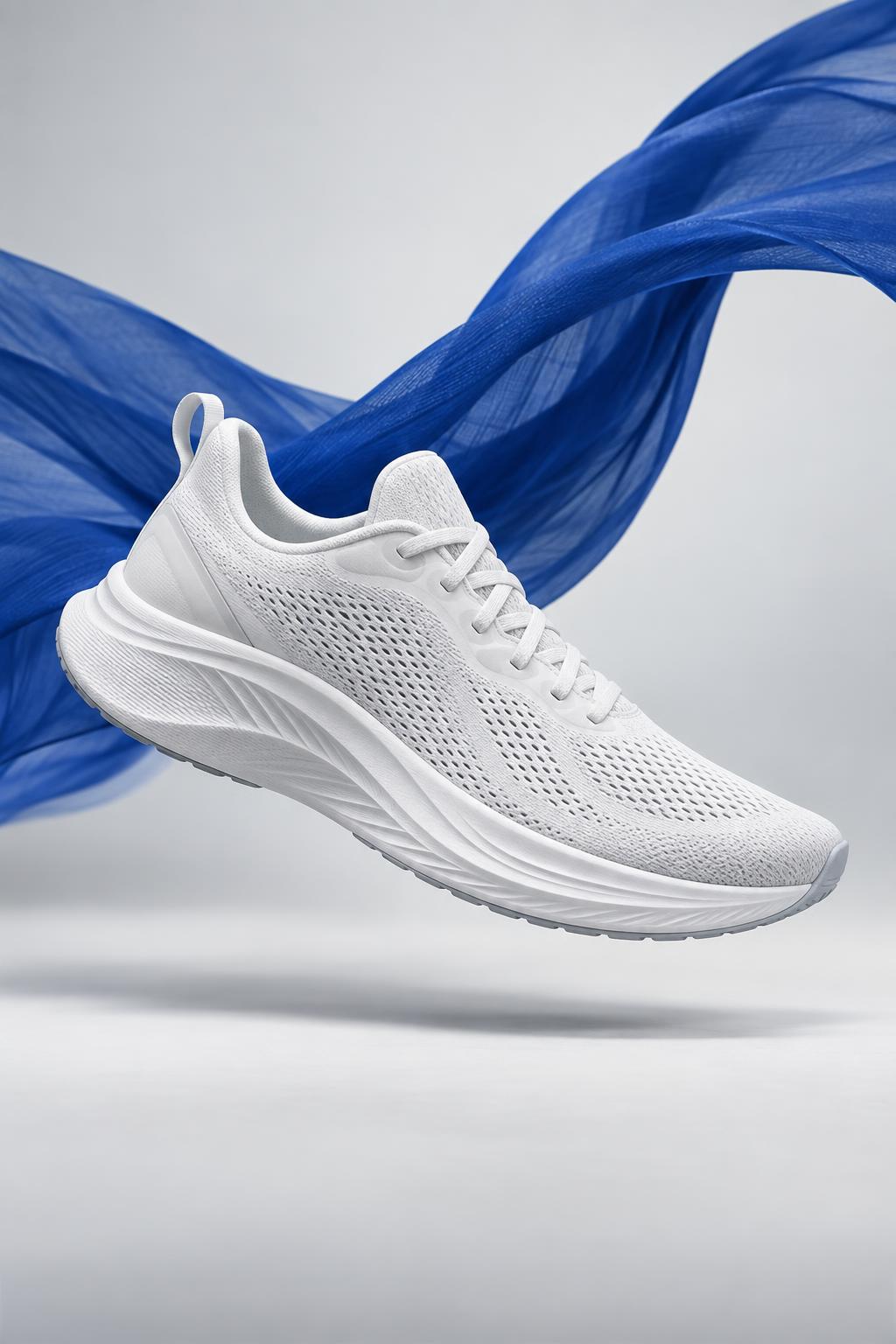
Prompt example: “White running shoe floating above a pale graphite sweep, cobalt sheer ribbon sweeping behind in an S curve, toe and side profile unobstructed, controlled shadow, sharp material detail, ecommerce campaign still.” If the fabric crosses the laces or outsole, move it behind the shoe in the next version. The product needs to win the race for attention.
4. The glass-and-silk fragrance frame
Glass benefits from restraint. Pick fabric that matches one secondary note in the packaging: burgundy for a warm scent story, smoky blue for a fresh one, or champagne for a gift set. Light the bottle from the side so the glass edges separate from the background. Let the fabric pass behind the bottle neck rather than wrapping its center.
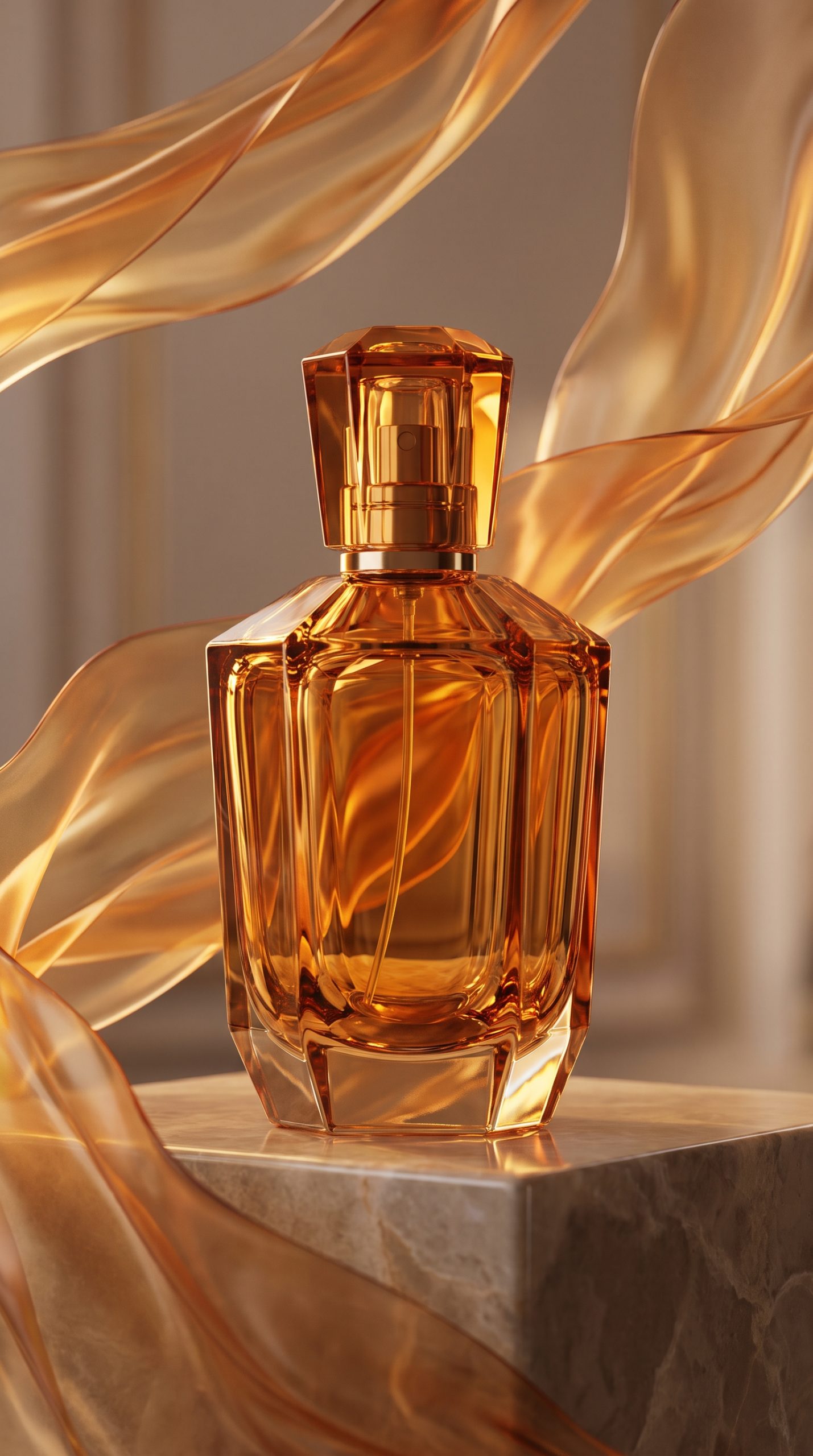
Prompt example: “Square fragrance bottle on a charcoal-to-plum gradient, deep burgundy silk floating behind the neck, clean readable front face, refined side reflections, luxury product advertising still.” Use this treatment for gifting pages, collection banners, and the first slide of a seasonal launch.
Prompt and production tips
Describe the product first. State its material, camera angle, and whether the front label must stay visible. Add the background next. Then describe the fabric color, material, and route through the frame. Finish with lighting and one quality cue such as crisp edges or controlled shadow. That order reduces the chance that the fabric takes over the picture.
For a video version, animate only one movement: a slow lift, a sideways sweep, or a gentle unfurl. Start with the product visible in the first half-second. End with a stable close crop that leaves room for price, offer, or a short headline. A floating fabric product effect should support the ad message, not compete with it.
Keep it sellable
Check the image at small size before publishing. Can someone name the product in one second? Can they see the label, cap, closure, or key material? If not, simplify the fabric path. Use one brand color and one neutral background. Keep hard reflections off metallic packaging, and avoid fabric patterns that clash with printed labels.
Use the finished still as a product-page hero, email banner, launch teaser, or first carousel card. For more ideas built around scroll-stopping product visuals, browse the Effects & Templates collection. The best version looks considered, but never asks the shopper to work out what is being sold.
Make this for your own products in VideoMagic
Turn a plain product photo into scroll-stopping video – free to start.